Medical Lift Chair For Daily Leisure Relaxation: The Ultimate Guide
In the modern era of wellness-oriented interior design and advanced ergonomic engineering, the boundary between clinical assistive devices and luxury home furniture has dissolved. The contemporary Medical Lift Chair For Daily Leisure Relaxation represents this paradigm shift, offering users a seamless integration of therapeutic support and premium comfort. Originally developed to assist individuals with limited mobility in standing up safely, the modern power lift recliner has evolved into a centerpiece of home relaxation, favored by busy professionals, athletes, and the elderly alike.
The Commercial and Industrial Evolution of Lift Chairs
The global furniture market has witnessed a significant surge in demand for functional, power-assisted seating. Driven by an aging global population (often referred to as the "Silver Tsunami") and a growing focus on preventative wellness, manufacturers are expanding their R&D efforts. Historically, medical lift chairs were characterized by sterile, industrial aesthetics and basic mechanical functions. Today, the industry is defined by high-tech integration, premium materials, and sophisticated designs that complement modern living spaces.
According to recent market research, the global smart recliner and lift chair market is projected to expand at a compound annual growth rate (CAGR) of over 7% in the coming decade. This growth is fueled by consumers seeking multifunctional furniture that addresses health concerns—such as poor circulation, lower back pain, and muscle fatigue—while offering a comfortable space for reading, sleeping, and entertainment.
Key Industry Trend: Smart Home Integration
Modern medical lift chairs are increasingly incorporating smart home features, including wireless controls, USB-C fast-charging ports, app-based adjustments, and voice-activated positioning. This shift transitions the lift chair from a standalone utility item to an active node within the smart home ecosystem.
Deep Dive into Ergonomics: Dual-Motor Systems & Zero-Gravity Alignment
At the core of a high-performance medical lift chair is its mechanical actuation system. The distinction between single-motor and dual-motor configurations is critical for daily leisure and relaxation:
Single-Motor Systems: In a single-motor configuration, the backrest and footrest operate simultaneously. As the backrest reclines, the footrest elevates in a fixed ratio. While cost-effective, this limits customization.
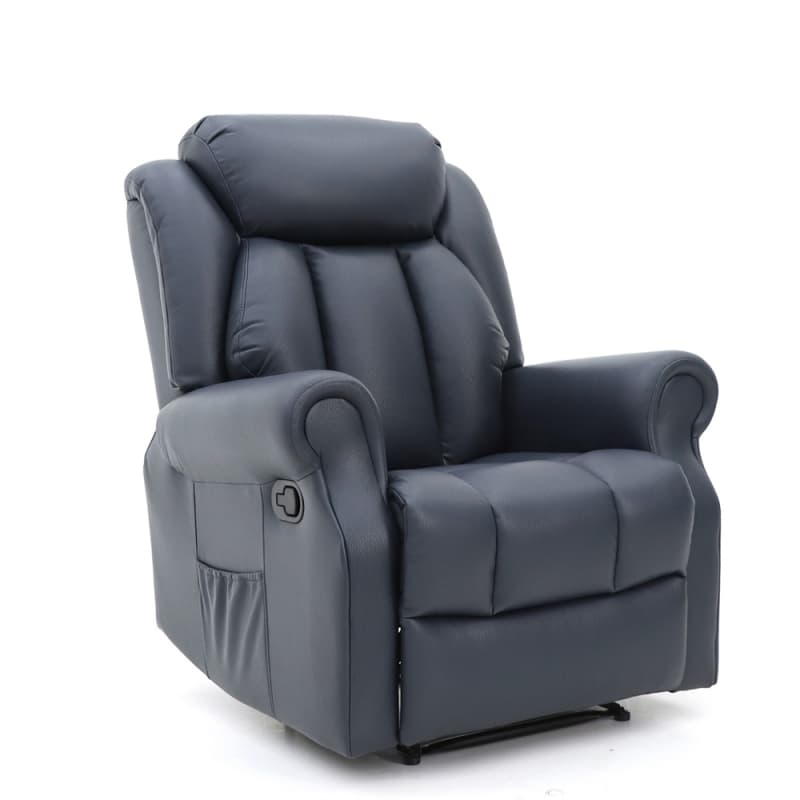
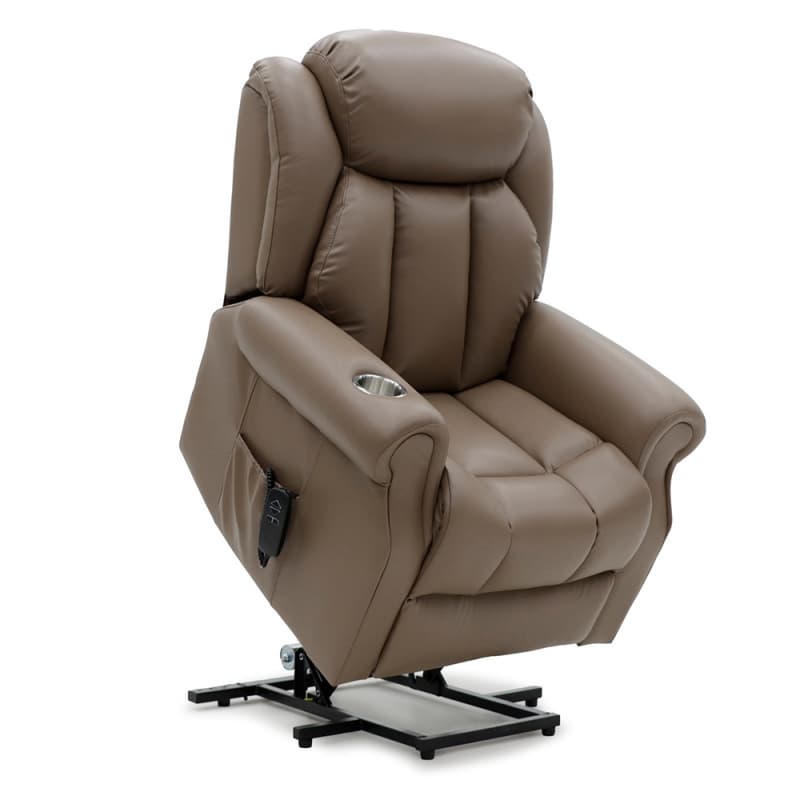
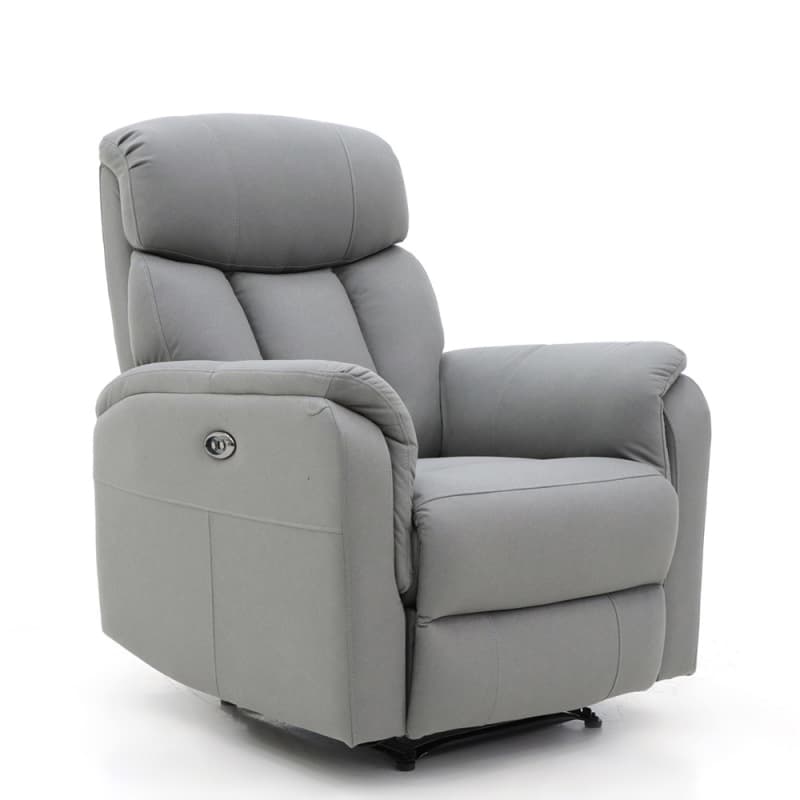
Dual-Motor Systems: A dual-motor setup, such as the one featured in the 9189DL Geeksofa Dual Motor Power Medical Lift Recliner, allows independent control of the backrest and footrest. This enables users to sit upright while elevating their legs to reduce swelling, or recline flat for sleeping without lifting their feet too high.
Furthermore, dual-motor systems facilitate the "Zero Gravity" position. Originally developed by NASA, this posture elevates the feet slightly above the heart level and aligns the torso at a 120-degree angle. This distribution of body weight minimizes gravitational pressure on the spine, relaxes the diaphragm, improves blood circulation, and enhances lung capacity, making it a highly effective position for physical recovery after a long day.
Deep Application Scenarios for Daily Leisure & Relaxation
The utility of a medical lift chair extends beyond clinical rehabilitation. Here are some of the primary ways these advanced seating systems are integrated into daily life:
1. Post-Work Recovery and Stress Alleviation: For professionals spending long hours at desks or standing on their feet, muscle tension and spinal compression accumulate daily. Returning home to a power recliner with integrated lumbar heating and targeted massage features allows for quick relief. The thermal heat dilates blood vessels, accelerating muscle repair and reducing stiffness.
2. Safe Mobility and Autonomy for the Elderly: For seniors wishing to age in place, maintaining independence is vital. The gentle, power-assisted lift mechanism tilts the chair forward to assist the user to a standing position without straining the knees, hips, or lower back. This reduces the risk of falls and provides peace of mind for both the user and their family.
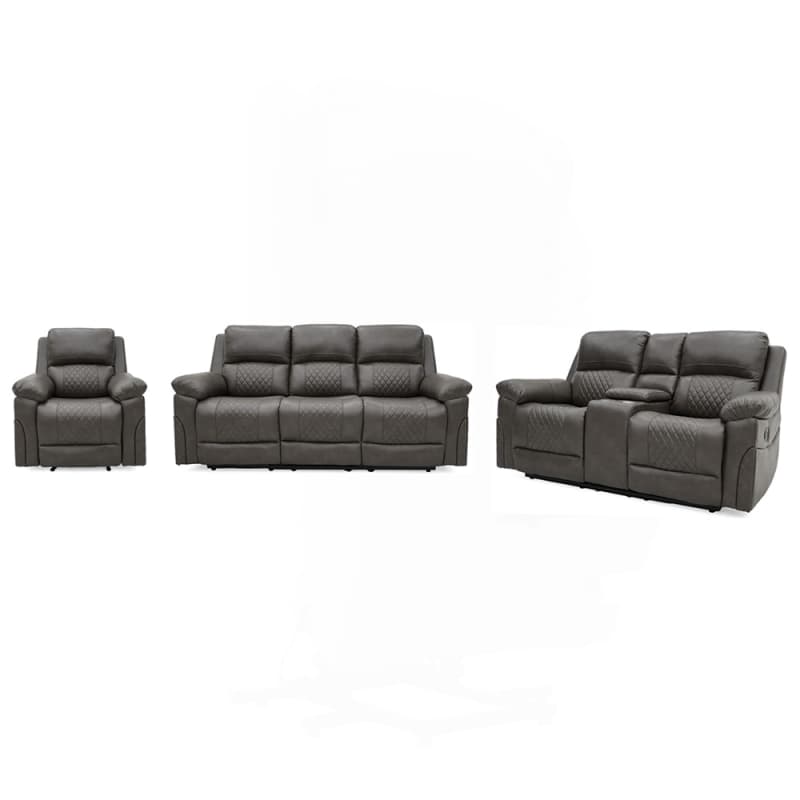
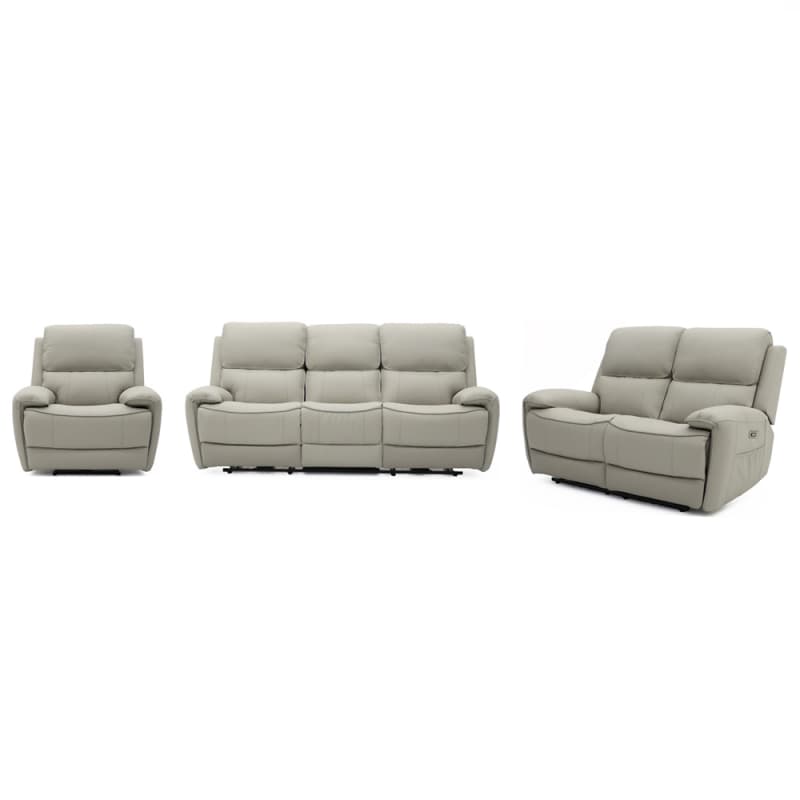
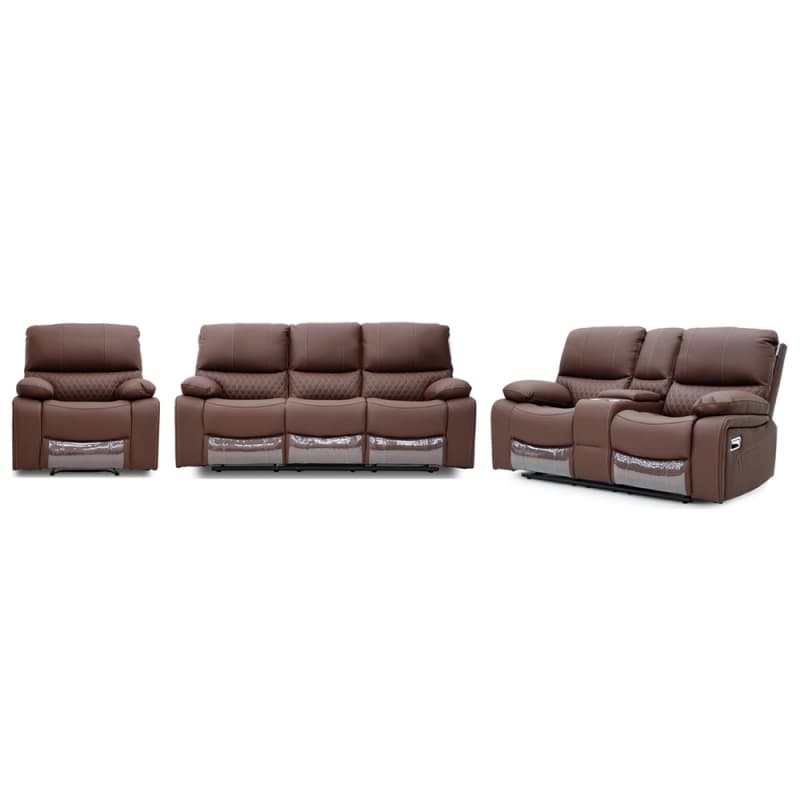
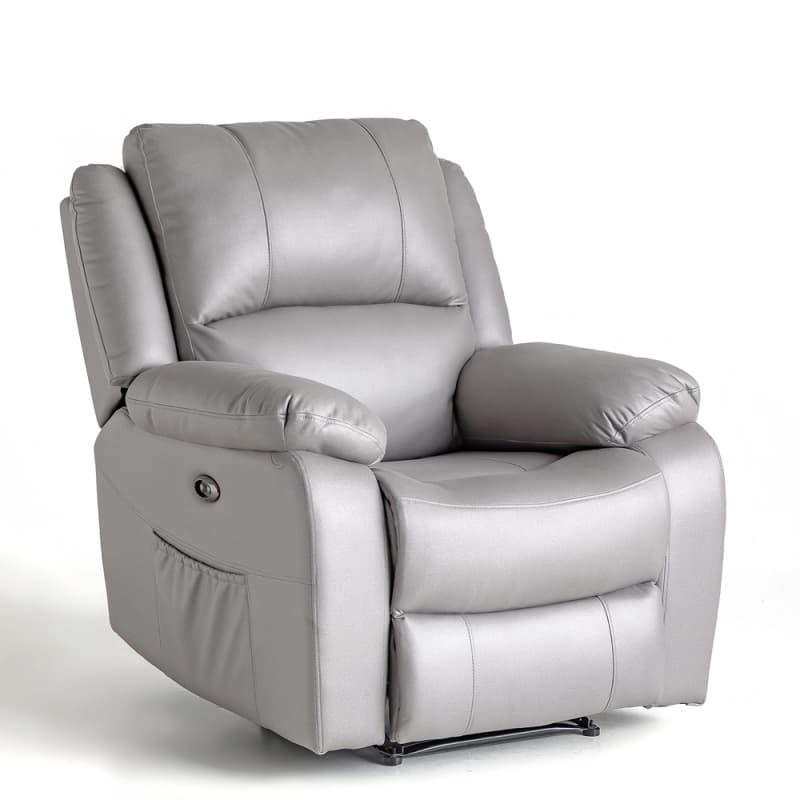
3. Home Theater and Entertainment Hubs: Modern living rooms and home theaters demand high comfort and utility. Recliner sets featuring integrated consoles, cup holders, and drop-down tables (such as the 9101ML and 9223PL series) turn seating into a complete entertainment station, perfect for movie nights or gaming.
4. Rehabilitation and Post-Operative Support: Individuals recovering from surgeries (such as hip or knee replacements) require controlled movement and elevated positioning. A medical lift chair provides the necessary support, allowing users to transition between sitting, reclining, and standing safely.
Material Engineering & Structural Integrity
The durability and comfort of a lift chair depend on its internal structure and upholstery. High-quality manufacturers like Geeksofa utilize rigorous testing standards to ensure longevity:
Steel Mechanisms: The structural frame must withstand repeated lifting cycles under load. Heavy-duty steel mechanisms, engineered and produced in-house, ensure stable operation and lateral balance.
Foam Densities: High-resiliency, high-density foam is used to provide optimal support. The foam must conform to the body's contours to distribute pressure points evenly while retaining its shape over years of daily use.
Premium Upholstery: Materials range from breathable microfiber (ideal for temperature regulation) to luxurious top-grain leather (offering durability and classic style). Easy-to-clean, wear-resistant fabrics are preferred for long-term maintenance.
Future Outlook: AI and Health Monitoring in Seating Technology
The future of medical lift chairs lies in smart health monitoring. Emerging technologies include sensors embedded in the upholstery to track heart rate, respiration, and posture. These systems can automatically adjust the chair's angle to prevent pressure sores or notify users when they have been sitting in a poor posture for too long.
As smart homes become more integrated, lift chairs will connect with home automation systems, adjusting their position based on user profiles or time of day—such as shifting to a reading position in the afternoon or transitioning to a gentle lift mode in the morning.